 Cesar
Cesar 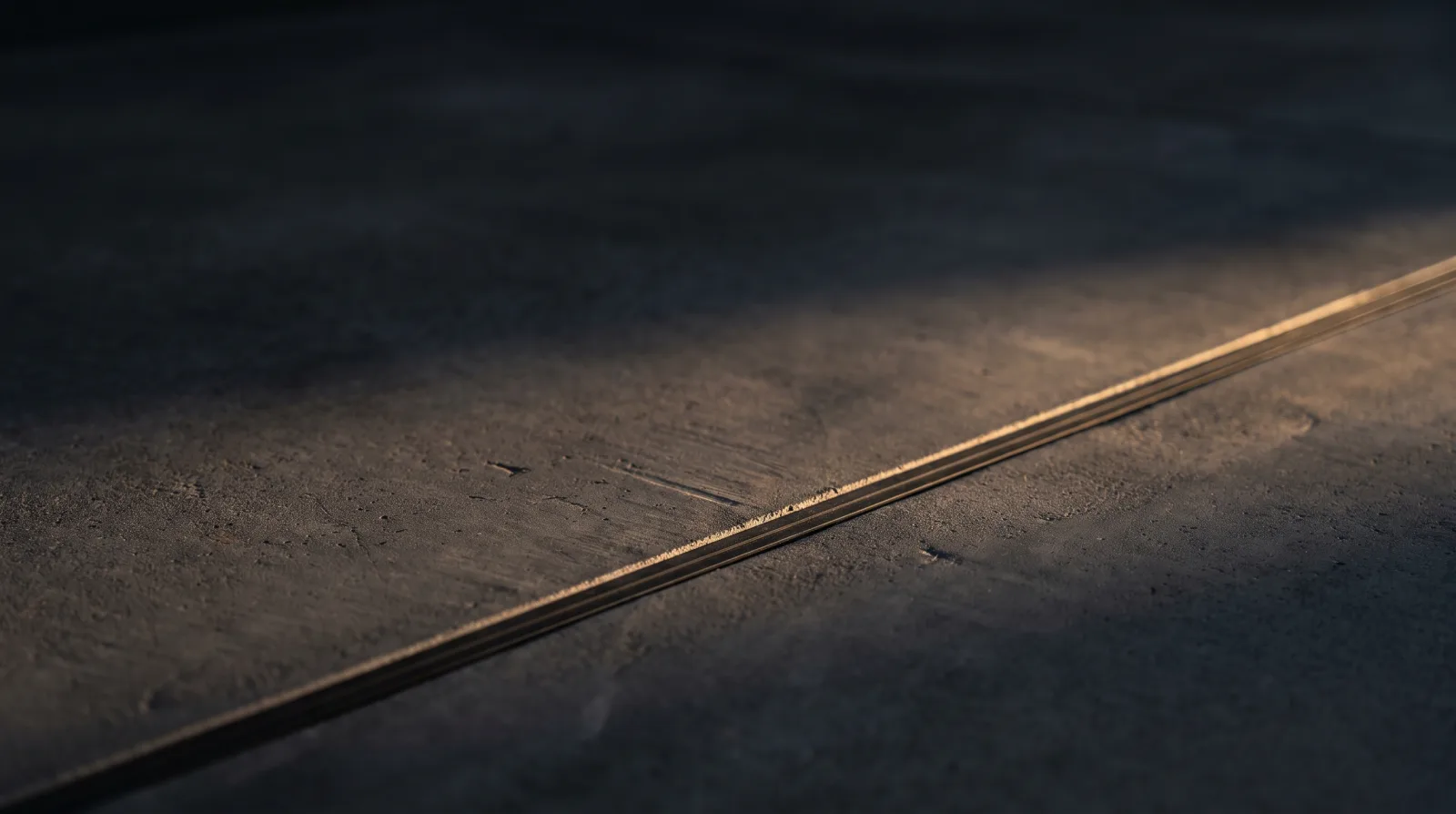
What expansion joints actually do
Concrete and stucco both expand slightly in heat and contract in cold. Without a place for that movement to happen, the material cracks wherever the stress is highest — usually at a weak point like a corner, seam, or where two surfaces meet. An expansion joint is essentially a deliberate, flexible gap that absorbs that movement instead of letting it crack the surface.
What happens when they're missing or failing
When a joint isn't there, or the sealant inside an existing joint has broken down, the surface has nowhere to move. Over repeated temperature cycles — every summer and winter — that stress adds up, and eventually shows up as a crack, often in a straight, predictable line right where the joint should have been.
Where they matter most
- Driveways and large concrete slabs
- Patios and walkways
- Where stucco meets a different material (a window frame, a foundation line)
- Long, continuous concrete or stucco runs without a break
Signs your expansion joints need attention
Cracked or crumbling sealant inside the joint, a joint that's visibly gapped or has debris packed into it, or a fresh crack running parallel to where an old joint used to be are all signs it's time to have it looked at.
Maintenance: resealing vs. replacing
Often, a joint just needs the old sealant removed and replaced — a relatively quick, inexpensive maintenance task. If the joint itself has failed structurally or was installed incorrectly to begin with, it may need to be rebuilt properly rather than just resealed.
FAQ
How often do expansion joints need to be resealed?
It varies by climate and sun exposure, but checking every few years and resealing when the sealant looks cracked or brittle is a reasonable rule of thumb.
Can cracked concrete from a failed expansion joint be repaired without repouring?
Often yes, if caught early — the crack can be repaired and a proper joint reinstated. Left too long, it may require a larger repair.
Do older homes usually have expansion joints at all?
Not always — older construction sometimes skipped them or used methods that don't hold up as well, which is often why older concrete and stucco shows more cracking than newer work.
Noticing cracked or failing joints on your property?
Get a Free Quote